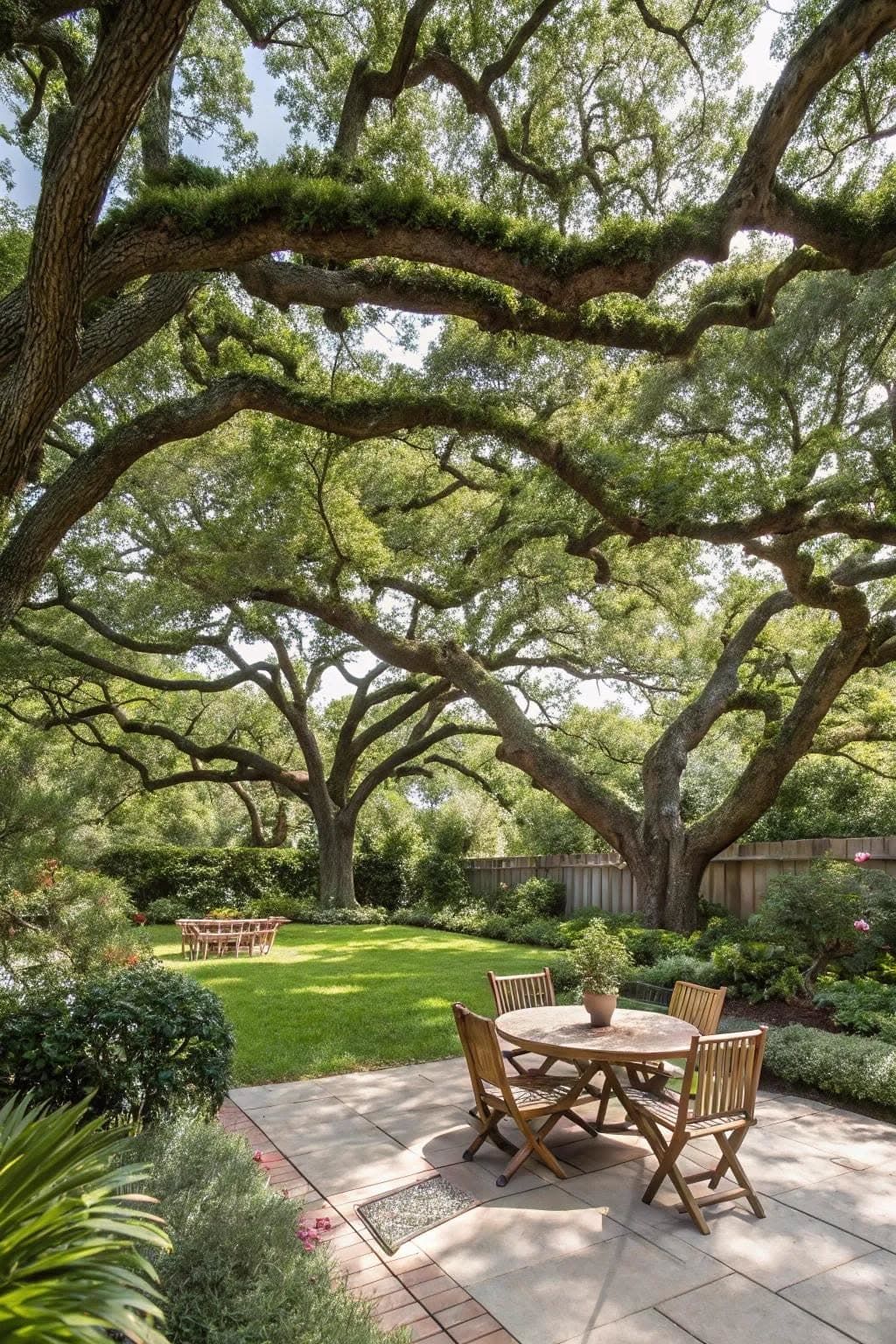
Master plans, native meadow, limestone, rain capture, and stewardship through year ten. Built work usually runs $90,000 to $650,000, phased over one to three seasons.
A master plan names the court, the water, the meadow, and what the land will not do. Everything else is phased against that sheet.
What's included: notes from the walk, a plan drawing, a plant list written for deer and August, one revision, and a phasing sheet. Not the build.
Range
$14,000–$40,000
Timeline
4–6 weeks after the walk and soil tests
Season
Any. We draw in summer. We do not plant in it.
Do I need a survey first?
A current survey helps. If you do not have one, the walk still happens, and the plan notes what a survey would lock before stone is set.
Is the walk billed?
The visit is free. The plan is the fee above. Soil tests are billed at cost, and we say so before anyone is on the hill.
What if we only build part?
The plan is drawn so a later season still fits the year-ten line. You can stop after the terraces and plant the next fall.
Native meadows and prairie
Grasses that hold caliche after the fence comes down.
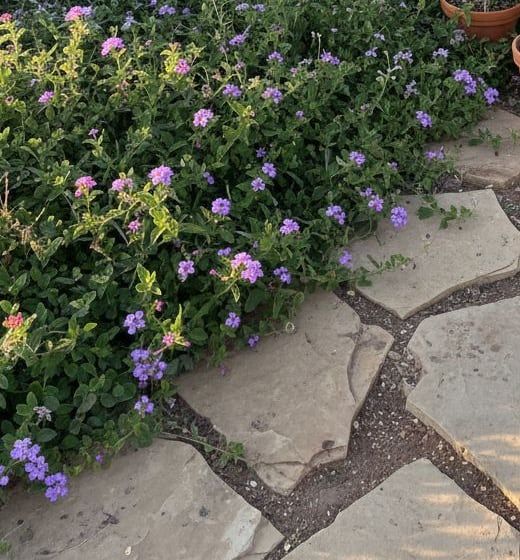
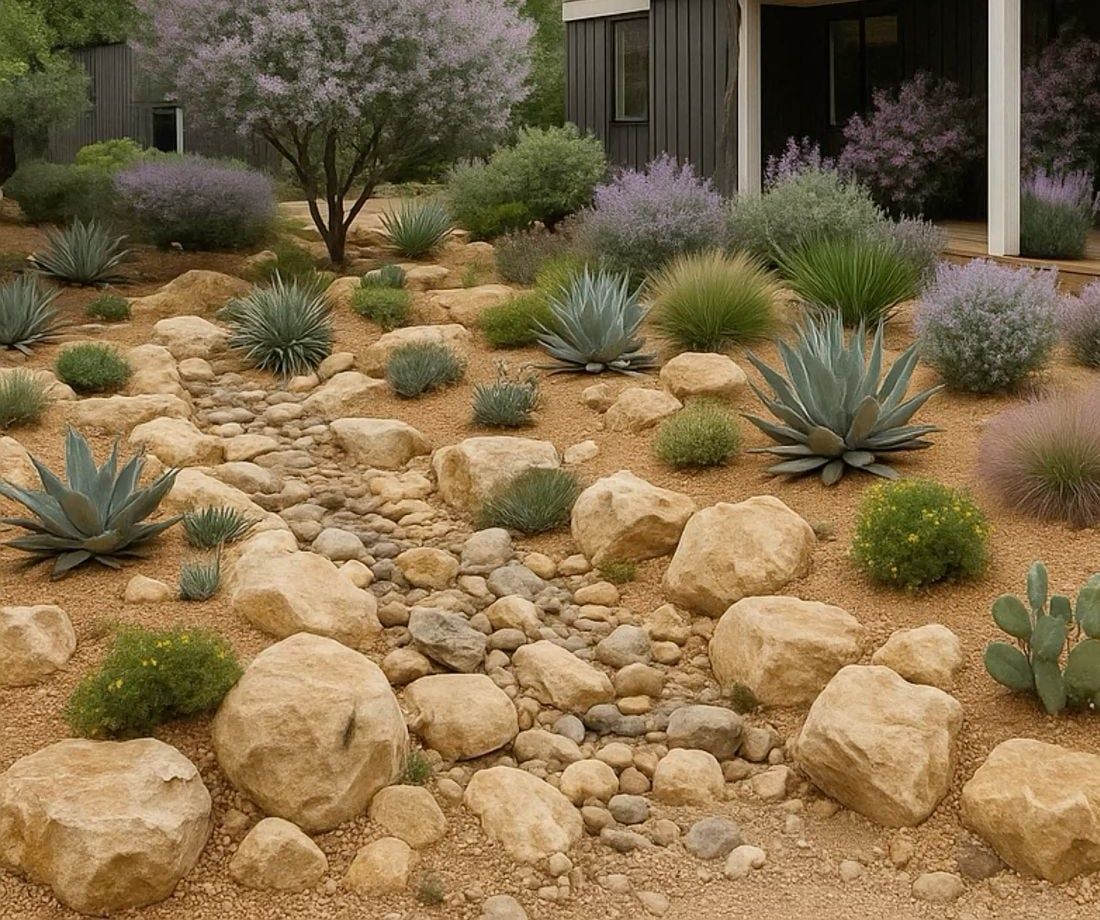
Little bluestem, sideoats, and the forbs that belong with them. It looks thin on install day. It is supposed to.
What's included: a deer-honest mix, seeding or plugs as the soil allows, and the first-year watering written down. Not a lawn, and not a wildflower packet from a rack.
Range
$18,000–$90,000 for the first meadow phase
Timeline
One fall to seed. The meadow closes by year three.
Season
Plant in fall, October into November, unless a burn ban stops the work.
Will August kill it?
August is the test the list is written for. Year one still needs establishment water. By year three, watering is monthly, then rare.
What about the deer?
The list is what they already refuse. Fence stays up through year two. It comes down in spring if the meadow has closed.
Can we keep a little lawn?
We will not draw one. A gravel court does the job the lawn was for, and it does not ask for an inch of water a week.
Limestone terraces and pool surrounds
Local stone, a gravel court, a tank that reads as water.
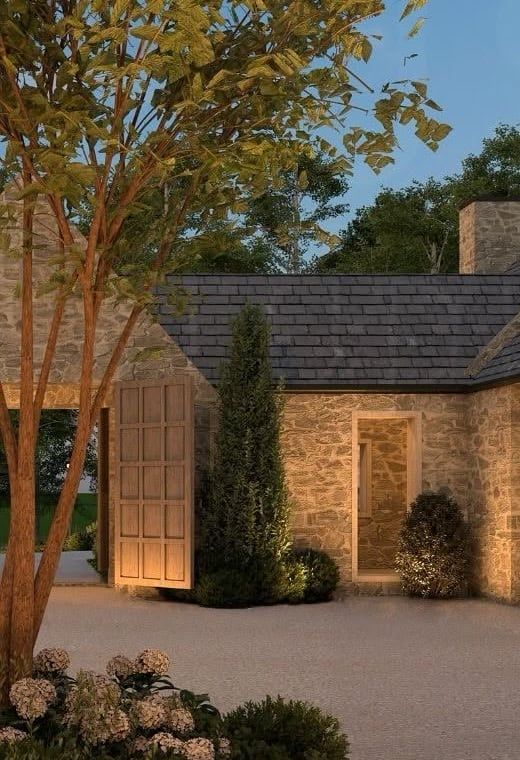
Terraces take the slope the flash flood already uses. The court is decomposed granite, not a concrete pad. If there is a pool, we draw the grade and the surround. A pool builder builds the shell.
What's included: the cut, Hill Country limestone, the court, and the grade that keeps storm water off the porch. Not a resort deck, and not imported veneer.
Range
$40,000–$280,000, depending on the cut and the stone
Timeline
One dry season
Season
Hardscape in the dry months, before the fall planting.
Where does the stone come from?
Hill Country limestone. If a quarry is short the month we build, we wait or we change the course. We do not swap in a veneer that reads as somewhere else.
What if the deed has an HOA?
Most acreage out here does not. If yours does, we draw to it and you submit it. We do not promise a board.
Is the tank a pool?
A stock tank can be the water. A pool is a separate shell. We will not dress either one as a resort.
Water: rain capture and drip
Cisterns sized to the roof. Drip only while the roots take.
Rain capture for the dry months, and drip that is scheduled to leave. Year one is twice a week. Year two is monthly. After that, the list should live on rainfall.
What's included: a cistern sized to the roof you have, lines for establishment, and a shutoff year written in the plan. Not a permanent lawn irrigation system.
Range
$12,000–$48,000 for catchment and establishment drip
Timeline
In place before the first planting
Season
Tanks and lines in the dry months.
How big is the cistern?
Sized to the roof and a dry August, not a size from a catalog. The visit measures the roof. The estimate on the plan page is a range until then.
Do you pull the permit?
We design the catchment. Your builder pulls the permit. We do not quote a license number.
What if the well is weak?
The plant list is written for that well. We will not draw a lawn that needs the well every week in August.
Stewardship plans
A written calendar through year ten.
Watering, the fence, what comes out, and what gets replaced. Two visits a year through year two. After that the calendar is yours, and the drawing should still match the hill.
What's included: the ten-year calendar, two visits a year through year two, and replacement of plants we specified and installed if they fail in that window.
Range
Included with the plan. Visits through year two sit with the install.
Timeline
Years 1–10
Season
Fence down in the spring of year two, if the meadow has closed.
What does the warranty cover?
Plants we specified and installed are replaced through year two if they fail in the ground. Deer damage after the fence comes down, and drought past the written watering, are called out in the calendar. They are not a blank check.
Can we stop at year three?
You can. The plan is still written through year ten, so the next owner, or you in a dry year, can see what was meant.
Who comes back?
The same studio. Not a mow crew. The visits are to see what took, what the deer tested, and what August edited.
Replaced through year two.
Plants we specified and installed are replaced through year two if they fail in the ground. Deer damage after the fence comes down, and drought past the written watering, are in the calendar. They are not a blank check.
West of Austin, two to twenty acres.
Dripping Springs, Wimberley, Spicewood, Driftwood, Johnson City, Fredericksburg.
Built work usually lands between $90,000 and $650,000, phased over one to three seasons. We plant in fall, when the heat has broken and the roots have a chance before August.
Phased budgets, and partner lenders for larger builds. No lender is named, and we take no fee for an introduction. The master plan is the first piece, from $14,000 to $40,000, and the phases are drawn against it.
From the properties
From the properties
The plan showed the west slope at year ten. We are at year four and the little bluestem is the slope now.
RuthDriftwood
They would not draw a lawn. That was the point, and the gravel court does the job the lawn was for.
EvanJohnson City
Soil tests came back caliche and they changed the list before we spent the planting money.